Katherine Nagasawa and Leah Varjacques have created Beyond the Seal, an excellent web documentary on the battle that small farmers in Ecuador have waged to improve the lives of workers and family producers in the banana industry. Watch the excerpt video clip below, and visit Beyond the Seal to see the whole story. You won’t look at bananas in your local produce section the same.
Beyond the Seal: Small banana farmers fight for a Fair Trade fruit
Posted: December 16, 2015 in Fair TradeTags: fair trade, movies
Finding Home added to human trafficking movie list
Posted: December 11, 2015 in forced prostitution, human trafficking, human trafficking movies, sex trafficking, slavery moviesTags: forced prostitution, human trafficking, human trafficking movies, slavery, slavery movies
Finding Home, 2014 – a film by Flying Treasure and Rapha House has been added to my list of movies about slavery / human trafficking.
There Are Millions Of Children Trapped In Slavery. They Are All Searching For Home.
From the film’s home page
“Finding Home is a unique documentary about trafficking, as the stories go far beyond the actual trafficking experiences. Finding Home shows in depth the struggle, growth, and challenges that come with trying to pick a life back up after it has been fragmented. Each of these three young women has a unique story with unique hurdles to overcome. The difficulties and complexities of learning how to deal with life after horrific abuse by slave owners and men looking to exploit sex with underage girls are unpacked in a way that communicates cross-culturally and proves the connectivity in the human spirit.
Finding Home reminds us that we are all connected in our humanity; that we are all looking for a place of love, acceptance and community…a place called home.”
Find other FILMS and BOOKS about slavery / human trafficking
Somaly Mam responds to accusations, returns to help victims of sex trafficking
Posted: December 9, 2015 in human traffickingSomaly Mam was forced to resign in 2014 from the original foundation bearing her name due to that foundation’s own investigation, and an article published in Newsweek in May 2014. For a period of time, there was no public response by Somaly Mam to the accusations that she had lied about her past, and coached a girl to lie about being a victim of sex trafficking, among other things.
Somaly Mam has responded to the allegations against her in three ways that I’m aware of: (1) She refuted the lies and inaccuracies in a September 2014 article in Marie Claire “I didn’t lie.” (2) She published an open letter in December 2014 calling the statements against her “inaccurate.” (3) More importantly, she proved her commitment to the specific women in her care, as well as the larger cause of assisting victims of sex trafficking, by continuing the work in the face of a storm of criticism, and that possibly unfounded. Her organization, The New Somaly Mam Fund, includes some leaders and board members from the former organization, which leads me to believe not everyone previously involved with her believed the story that led to her downfall. Interestingly, although Marie Claire’s interview mentions that Newsweek and the bombshell article’s author stood by their original story, Newsweek itself published an article about Somaly Mam’s new work.
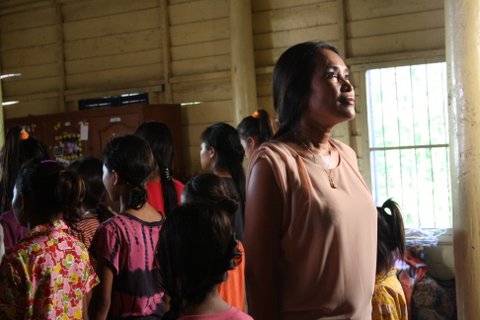
Readers can decide for themselves whether Mam is telling the truth or not. But I believe she, and her new organization, deserve another look.
Ruby’s Story: Anti-Human Trafficking PSA in South Africa
Posted: December 9, 2015 in human traffickingMOVIWORLD produced an anti-human trafficking public service announcement in South Africa called “Ruby’s Story”. It was created for the National Freedom Network and their Network Partner “InHuman Trade”
Import/Export (2007) added to human trafficking film list
Posted: December 9, 2015 in forced prostitution, human trafficking, human trafficking movies, modern slavery, sex trafficking, slavery moviesTags: human trafficking, human trafficking movies, modern slavery, movies, sex trafficking, sex trafficking movies, slavery, slavery movies, trafficking
Ulrich Seidl’s film, Import/Export, about two migrations in post-Soviet Europe is described as “startling, horrible and brilliant” by Peter Bradshaw of The Guardian. This film has been added to my list of films on slavery / human trafficking, thanks to a recommendation in a comment on this blog.
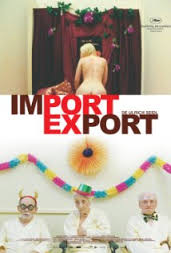 The film’s official website lists the following synopsis:
“Import/Export chronicles two different migrations: a young woman who leaves behind her mother and young child in The Ukraine to begin a new life as a nurse in Vienna; and a headstrong young security guard called Paul who leaves Vienna to accompany his stepfather on a trip delivering gumball machines in Eastern Europe.”
You can view a trailer at the official website
View other FILMS and BOOKS about slavery / human trafficking
Sands of Silence: Waves of Courage – Documentary on Human Trafficking
Posted: December 7, 2015 in forced prostitution, human trafficking, human trafficking movies, sex trafficking, slavery moviesTags: forced prostitution, human trafficking, human trafficking films, human trafficking movies, modern slavery, sex trafficking, slavery, trafficking

Chelo Alvarez-Stehle has produced a documentary on slavery in the form of human sex trafficking. Here’s the description from the filmmaker:
“A 15-year quest to expose the underworld of sexual exploitation and trafficking from Asia to the Americas leads world-reporter Chelo Alvarez-Stehle to the windswept beach where her childhood ended and family secrets began. As she documents the transformation of sex-trafficking survivor Virginia Isaias—a Mexican American woman whose past is engulfed in a cycle of sexual exploitation—into an inspiring advocate committed to break that pattern, Chelo undertakes a parallel journey of healing and introspection as she sets out to shatter the silence about abuse in her own life.”
Sands of Silence Official Trailer English 2:30 min from Chelo Alvarez-Stehle on Vimeo.
Find other FILMS or BOOKS about slavery and human trafficking
(UPDATED 2015-12-09) Somaly Mam resigns from her foundation amid investigation into lies
Posted: June 1, 2014 in human trafficking(PLEASE READ UPDATE BELOW) Somaly Mam, award-winning crusader for victims of sex trafficking and author of the book The Road of Lost Innocence, has resigned from the foundation bearing her name, and an internal investigation has been conducted to verify claims that substantial parts of her story about being a sex-trafficking victim are not true. Newsweek published a cover story in May 2014 that reported questions about her experience as a sex-trafficking victim. A statement on the Somaly Mam Foundation home page confirms the investigation and Mam’s resignation.
It was shocking and disappointing to read these reports about Somaly Mam. As someone who wants to see slavery ended, but who has never experienced it, I’ve looked to people like Mam to be the voice for this effort. People who have been through such cruelty and then turn their experience of suffering and struggle toward helping other victims are powerful in getting the word out. I rely on their voice, and expect their stories to be true.
I have Somaly Mam’s book, The Road of Lost Innocence, included in my list of non-fiction books currently, and will consider removing it if time continues to bear out the accusations that have been made. However, since the investigation by Somaly Mam foundation does not at this point refute the reports by Newsweek, preliminarily it seems the accusations are valid.
Although the revelation that Somaly Mam has fabricated serious parts of her autobiography does not change the fact that girls are being helped by Somaly Mam’s efforts, and the work of her foundation, it harms the perceived integrity of people like her that are raising millions of dollars in the work against slavery. People like me who try to raise awareness and encourage financial support of organizations like the foundation she was a part of, and others who do much more than I, need to know that the people on the front lines are telling the truth.
—————————-
December 9, 2015 – Update
Somaly Mam has responded to the allegations against her in three ways that I’m aware of: (1) She refuted the lies and inaccuracies in a September 2014 article in Marie Claire “I didn’t lie.” (2) She published an open letter in December 2014 calling the statements against her “inaccurate.” (3) More importantly, she proved her commitment to the specific women in her care, as well as the larger cause of assisting victims of sex trafficking, by continuing the work in the face of a storm of criticism, and that possibly unfounded. Her organization, The New Somaly Mam Fund, includes some leaders and board members from the former organization, which leads me to believe not everyone previously involved with her believed the story that led to her downfall. Interestingly, although Marie Claire’s interview mentions that Newsweek and the bombshell article’s author stood by their original story, Newsweek itself published an article about Somaly Mam’s new work.
TEDx Matt Friedman Speaks on Human Trafficking, October 2012
Posted: November 15, 2012 in child labor, forced labor, human trafficking, human trafficking movies, modern slavery, sex trafficking, slavery moviesTags: human trafficking, Matt Friedman, slavery, TEDxSanJoaqin
Matt Friedman of UNIAP (United Nations Inter-Agency Project on Human Trafficking) gives an articulate and personal message at TEDxSanJoaquin about the widespread challenges, and urgent need for people’s involvement in fighting slavery. It’s hard to watch this and not want to take action.
- Thanks to Wendi Adelson at Human Trafficking Law blog for the heads up about this link
- Watching the video makes me think of the handy book Better World Shopper, which helps me know which products I can buy to reduce slavery in the supply chain.
IJM Celebrates 15 Years of Justice
Posted: November 12, 2012 in human trafficking, human trafficking movies, modern slavery, slavery moviesTags: human trafficking, human trafficking movies, IJM, International Justice Mission, justice, sex trafficking, sex trafficking movies
Gary Haugen of International Justice Mission was the first person that I heard speak about slave sex trafficking, bonded slave labor, and land theft from AIDS widows in Africa. And he was also the first person I heard that challenged me to take up the cause of justice. It was after reading about the work of IJM and hearing Gary speak in 2002 that I made some important life decisions about getting involved. There are a lot more organizations involved in this work now, and that’s a good thing. But IJM pioneered a lot of what’s being done to fight oppression today, and they have been one of the biggest forces mobilizing churches to get out of the pews and into the fray.
Visit IJM for more information about supporting their work for justice and getting involved in the fight against slavery and oppression.
The Justice Film Festival – February 22-24, 2013 – Philadelphia, PA
Posted: November 9, 2012 in human trafficking movies, slavery moviesTags: film festival, human trafficking films, human trafficking movies, justice conference, justice conference film festival

The Justice Conference premiered Blue Like Jazz last year, and decided to incorporate a film festival as part of the conference. The Justice Film Festival will be held in Philadelphia, PA February 22-24, 2013. You can submit a film, register and find out more at The Justice Film Festival.
 Human Trafficking
You must be logged in to post a comment.